Flippin Awesome: A Designer's Review for Real Embroidery Projects
I have spent years reviewing digital assets for the Crafts and Graphics sectors, specifically looking for files that translate well from a screen to a needle. When I first encountered the Flippin Awesome design, my initial reaction was one of cautious optimism. It promises a fun, kitchen-centric vibe with a clever play on words, but as an experienced designer, I know that a funny SVG file does not automatically guarantee a successful stitched result. The true test lies in how the design behaves under the pressure of high-speed stitching and how it holds up against the rigors of daily wear.
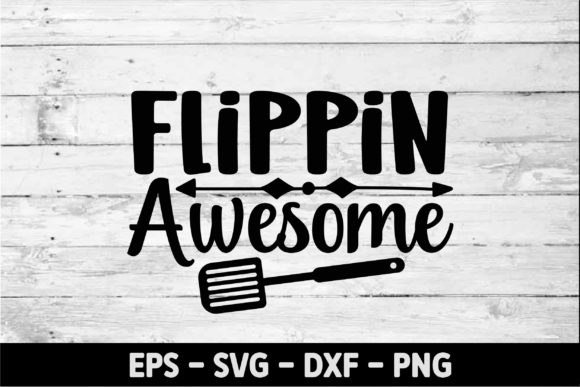
The concept behind Flippin Awesome is undeniably appealing for anyone looking to add personality to their handmade inventory. The layout suggests a casual, approachable aesthetic that fits perfectly into modern home decor trends. However, before I committed to using this file for a client project, I had to analyze its structural integrity. Does it have enough detail to hold attention without becoming muddy? Is the typography legible when stitched in thread rather than ink? These are the questions that separate a good digital asset from a great embroidery project.
From Screen to Stitch: Visualizing the Final Product
Imagine preparing a custom embroidered tote bag for a local bakery or a boutique coffee shop. The owner wants something witty to give away with every purchase. This is where Flippin Awesome shines. The design feels right at home on canvas or heavy cotton blends. In my mind, I can already see it stitched in bright, contrasting threads on a neutral background. The humor lands better when the texture of the thread adds depth to the letters, making the message feel tactile and inviting.
For small business owners and Etsy sellers, the visual appeal of a finished product is everything. A poorly executed design can make a brand look amateurish, while a clean, well-stitched piece builds immediate trust. If you are selling personalized gifts, such as aprons for new cooks or kitchen towels for housewarming parties, Flippin Awesome offers a perfect balance of style and sentiment. It signals that the maker understands current trends and has a sense of humor, which resonates deeply with buyers looking for unique, handcrafted items.
However, the transition from vector to satin stitch requires careful consideration. The design likely relies on a mix of fill stitches for the main body and running stitches or satin lines for outlines. If the density is too high, the fabric might pucker, especially on softer materials like sweatshirts or baby clothes. Conversely, if the density is too low, the underlying fabric might show through, ruining the crispness of the "awesome" message. As a reviewer, I advise checking the stitch count and density settings before sending this file to your machine.
Real-World Scenarios: Where Flippin Awesome Fits Best
In my experience working with commercial embroidery projects, context is king. Flippin Awesome is not a universal solution; it thrives in specific environments. Let us look at a few practical applications where this design excels.
- Kitchen Textiles: Tea towels and aprons are the natural habitat for this design. The sturdy fabric provides a stable base for the stitches, ensuring that the details remain sharp even after multiple washes. The theme aligns perfectly with the utility of the item, creating a cohesive look for any home chef.
- Apparel Decor: Sweatshirts and t-shirts offer a larger canvas. Here, the design can be scaled up to make a bold statement. For a craft fair booth, having a stack of hoodies featuring this motif could draw customers in immediately. The playful nature of the text works well on casual wear, adding a touch of whimsy to everyday outfits.
- Personalized Gifts: Think about holiday gifts or wedding favors. A set of matching pillow covers or nursery decor featuring Flippin Awesome would be a hit. Parents love humorous touches in the nursery, and the design allows for customization with names or dates, increasing its value as a bespoke item.
- Boutique Branding: For entrepreneurs building a brand identity, consistency is key. Using this design across various products—patches, hats, and bags—creates a recognizable visual language. It tells a story of fun and creativity, which helps in building a loyal customer base.
Yet, there are pitfalls to avoid. Not every surface is suitable for every design. If you attempt to embroider this on a curved surface like a baseball cap, the distortion caused by the curvature might warp the lettering, making the punchline less effective. Similarly, thin or stretchy fabrics require extra care. Without proper stabilization, the tension of the embroidery can cause the fabric to ripple, distorting the intended shape of the artwork.
Technical Considerations for Professional Results
As a designer who values precision, I cannot stress enough the importance of testing before production. Before you start mass-producing items for your shop, run a test on scrap fabric. This step is non-negotiable for professional results. You need to verify how the Flippin Awesome design interacts with your specific thread colors and fabric textures.
Thread color contrast plays a massive role in readability. A light thread on a dark background might get lost if the stitch density is insufficient, while a dark thread on black fabric will simply disappear. Always compare light and dark fabric backgrounds during your mockup phase. Additionally, inspect the small details closely. Are the corners of the letters defined? Do the curves flow smoothly? If the design includes intricate elements, ensure they are large enough to be distinguishable once stitched.
Stabilizer choice is another critical factor. For dense designs like this, a cut-away stabilizer often provides the best support, preventing the fabric from pulling or shifting during the process. For lighter projects, a tear-away might suffice, but only if the fabric is stable enough to handle the tension. Ignoring these technical nuances can lead to a finished product that looks cheap or damaged, which is the last thing a creative entrepreneur wants.
Making the Right Choice for Your Craft Business
Ultimately, the decision to use Flippin Awesome comes down to your specific needs and the quality of the source file. Since the original description highlights the creator's experience with Adobe Illustrator and Photoshop, we can assume the vector paths are clean. However, you must confirm the file formats and licensing terms yourself. Are you allowed to sell finished items made from this design? Does the license cover commercial use for your small shop?
If you are an Etsy seller or a hobbyist looking to expand your offerings, this design offers a versatile opportunity. It bridges the gap between digital art and tangible craftsmanship. By paying attention to hoop size, stitch density, and fabric selection, you can transform a simple SVG into a premium product that customers will cherish. Whether it ends up on a patch, a tote bag, or a holiday gift, the potential for success is high if approached with the right technical preparation.
Remember, the goal is to create a finished product that reflects your professionalism. Take the time to review the design assets, check the compatibility with your machine, and most importantly, enjoy the process of bringing a digital idea to life. With careful execution, Flippin Awesome can become a staple in your collection of embroidery files, ready to bring a smile to the faces of your clients and friends alike.