Drop the Beet: A Designer's Take on Real Embroidery Use
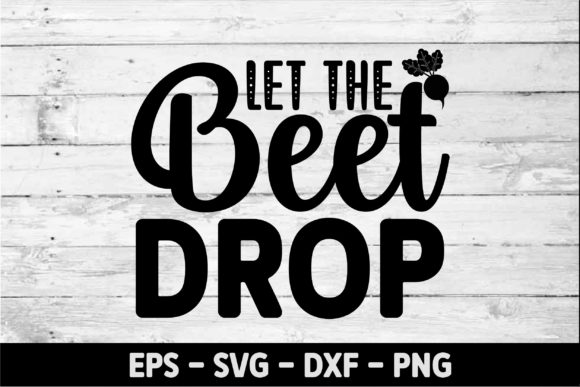
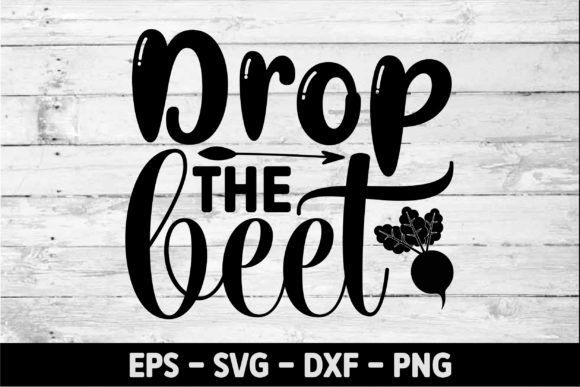
When I first opened the file for Drop the Beet, my immediate thought wasn't about the pun or the cute imagery, but rather how it would translate from a digital vector into a tangible stitched piece. As a graphic designer with three years of experience in Adobe Illustrator and Photoshop, I am constantly evaluating design assets for their viability in physical production. This piece falls squarely into the Crafts and Graphics categories, specifically targeting those who need reliable machine embroidery design files for their small businesses or personal projects.
The initial visual impression is one of playful confidence. The layout suggests a design that belongs in a kitchen setting, perhaps on a chef's apron or a tea towel, but its versatility extends far beyond just culinary themes. It carries a mood that is lighthearted yet polished enough to pass as a professional boutique item. For an Etsy seller or a craft fair vendor, this kind of personality is gold; it invites a smile while maintaining the structural integrity needed for high-quality stitching.
From Screen to Stitch: A Real-World Scenario
To truly understand the potential of Drop the Beet, let us imagine a specific workflow. I recently had a client request a custom embroidered tote bag for a local farmer's market booth. They wanted something that highlighted their fresh produce but avoided the generic "farm" clichés. I pulled up Drop the Beet as a primary candidate for the front panel.
Here is where the practical judgment comes in. When digitizing or reviewing an embroidery file for a tote bag, the fabric texture is the biggest variable. Canvas and heavy cotton twill are forgiving, but they require precise stitch density to prevent puckering. If I were to run this through my machine, I would prioritize a satin stitch for the outline of the beet to give it that raised, tactile finish that customers love to touch. The fill stitches would need to be balanced so that the vegetable doesn't look like a blob of thread, but retains its recognizable shape.
In this scenario, the design works beautifully because it anchors the product. It transforms a plain canvas bag into a statement piece. The humor in the phrase "Drop the Beet" resonates well with foodies and eco-conscious shoppers, making it a perfect fit for a handmade product line. However, if I were using this for a baby item, like a onesie or a burp cloth, I would need to adjust my approach. The lettering must remain legible even when scaled down, and the stitch density should be slightly lighter to ensure the fabric remains soft against delicate skin.
Where the Design Shines
Drop the Beet is not just a novelty; it is a functional asset for various custom apparel and home decor applications. Its strength lies in its ability to bridge the gap between a simple graphic and a textured textile art piece. Here is how I see it performing across different mediums:
- Sweatshirt Embroidery: On a heavyweight fleece, the design adds a layer of depth that screen printing cannot match. The contrast between the smooth background and the textured stitches creates a premium feel.
- Kitchen Towels and Aprons: This is the natural habitat for this design. The theme aligns perfectly with cooking gear, and the durability of embroidery ensures it survives frequent washing better than printed graphics.
- Embroidered Patches: With a backing added, this could easily become a detachable patch for denim jackets or backpacks. The bold shapes hold up well to the cutting process required for patches.
- Holiday Gifts: During the festive season, personalized items fly off the shelves. Drop the Beet serves as an excellent base for a winter gift set, pairing well with other kitchen-themed motifs.
- Boutique Branding: For a small shop owner, consistency is key. Using this design across a range of products—from tote bag designs to pillow covers—builds a cohesive brand identity that customers can recognize instantly.
The design also translates well into printable mockups. Before committing to production, I often create digital previews to show clients how the final product will look. The clean lines of the original vector make it easy to simulate different thread colors and fabric textures in Photoshop, allowing for accurate representation of the finished product.
Cautionary Notes for the Studio
While Drop the Beet is a strong contender, no single design is universal. There are specific scenarios where caution is required. If you are working with a small hoop size, such as 4x4 inches, you must verify that the detail level does not get lost. Tiny curves and intricate corners can sometimes blur if the stitch count is too low or if the machine tension is off.
Fabric choice is equally critical. Stretchy fabrics, like jersey knits used for t-shirts, present a challenge. Without proper stabilizer techniques, the design might distort during the stitching process, ruining the symmetry of the beet. Similarly, thin fabrics may tear under the weight of dense stitches. If you plan to use this on dark fabric, the thread color selection becomes paramount. You will need high-contrast threads to ensure the design pops, which might require additional layers of underlay to cover the base material effectively.
I also advise against placing this design on curved surfaces like caps without careful testing. While possible, the distortion inherent in embroidering onto a curved brim can alter the spacing of the text, potentially making the pun harder to read. For commercial embroidery projects where speed and reliability are paramount, always test the design on scrap fabric first to check for any potential issues with thread breaks or registration errors.
Design Integrity and Customer Trust
In the world of Etsy sellers and digital product sellers, the quality of your output directly impacts customer trust. A poorly executed embroidery project can lead to returns and negative reviews, which can derail a small business. Drop the Beet, when executed correctly, elevates the perceived value of the item. It signals to the buyer that care was taken in the creation process.
The visual appeal of the design contributes to the overall professionalism of the brand. When a customer receives a personalized gift or a boutique item, the clarity of the stitches and the neatness of the edges are what they notice first. A design that looks crisp and intentional fosters a sense of appreciation and encourages repeat purchases. Conversely, a design that appears muddy or misaligned can undermine the entire effort, regardless of how good the underlying concept is.
Practical Steps for Implementation
Before you load this design into your machine for a real job, here is a checklist based on my experience:
- Test on Scrap: Always run a test stitch-out on a piece of the same fabric you intend to use. This helps you gauge the stitch density and identify any potential puckering before you commit to the final product.
- Check Thread Colors: Review the thread colors assigned in the file. Ensure they complement the fabric background. Sometimes, a slight adjustment in the shade can make a huge difference in readability.
- Verify Hoop Size: Confirm that your hoop size accommodates the design dimensions comfortably. Leaving extra margin around the design prevents edge-to-edge distortion.
- Inspect Small Details: Zoom in on the digital file to inspect tiny details. If there are fine lines or small text, consider if they will hold up in a physical stitch-out.
- Stabilizer Selection: Choose the right stabilizer for your fabric type. Heavy-duty cut-away stabilizers are often necessary for stretchy or heavy fabrics to maintain the design's shape over time.
- Licensing Confirmation: Since the creator mentions being a graphic designer with experience in Adobe Illustrator, it is vital to confirm the licensing terms. Ensure you have the rights to use the design assets for commercial purposes if you plan to sell finished items.
Drop the Beet is more than just a funny phrase; it is a versatile tool in the hands of a skilled maker. Whether you are creating a personalized gift for a friend or stocking your online store with unique craft business items, this design offers a solid foundation for creative expression. By paying attention to the technical nuances of applique design, satin stitch, and fill stitch application, you can turn a simple digital file into a cherished physical object that stands out in a crowded market.